Covenants Meet Cooling Fans: How Suburban America Is Fighting Over the Home Server Boom
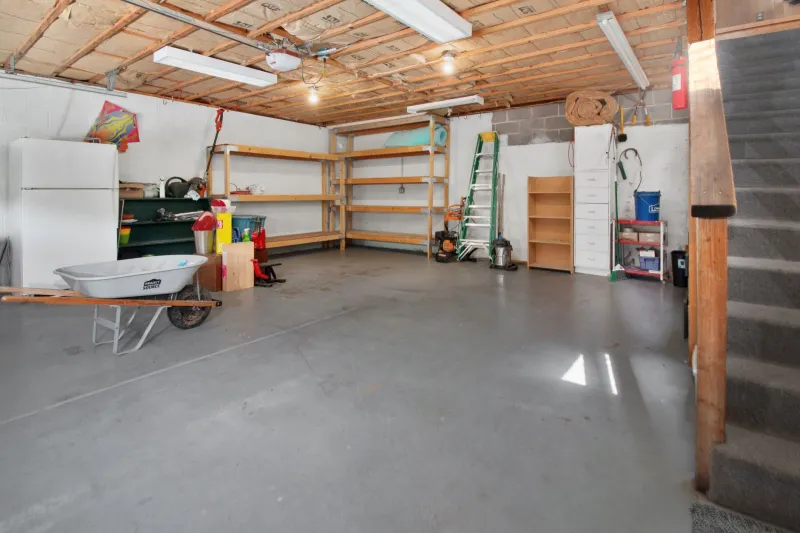
The American suburb was zoned for lawns, not load balancers. Yet across the country, a growing number of homeowners are running racks of servers in garages, basements, and spare bedrooms — machines that sit idle most of the day and earn money by feeding distributed computing platforms during the hours the household sleeps. What began as a hobbyist movement has collided with one of the most inflexible institutions in American residential life: the homeowners association.
The friction is not theoretical. In planned communities from Phoenix to the Atlanta exurbs, association boards are fielding complaints about constant fan noise, unexplained spikes in shared electrical infrastructure, and delivery trucks dropping off server chassis in driveways. The governing documents they enforce were drafted decades ago, when the worst residential offense anyone imagined was a boat parked on the street. Nothing in a typical CC&R anticipates a neighbor operating what is, functionally, a small unlicensed data center.
The Noise Complaint That Is Really a Business Complaint
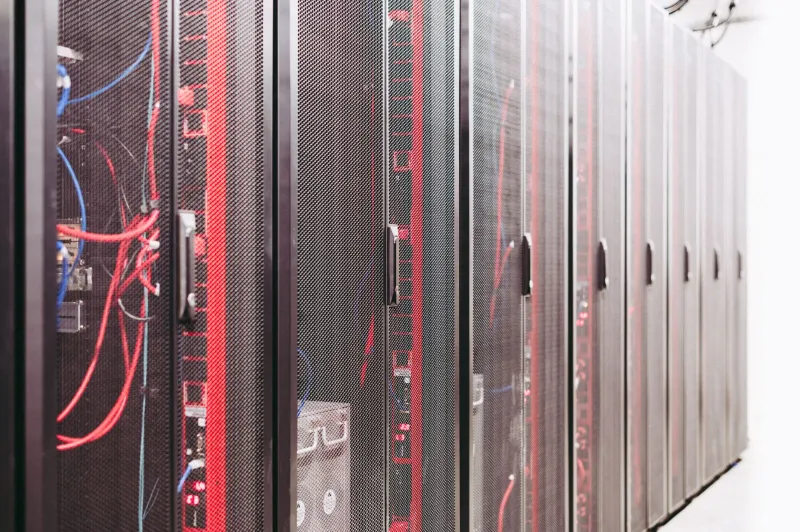
Most disputes begin the way suburban disputes always do: with sound. Enterprise-grade hardware is engineered for data center aisles, not drywall partitions. A single 2U server can produce a low, persistent hum that travels through shared walls in townhome communities, and a rack of them can push ambient noise well past what neighbors consider reasonable after 10 PM.
But the noise is often a proxy. Underneath most complaints sits a more difficult question: is this a hobby or an enterprise? A gaming rig that occasionally folds proteins is one thing. A neighbor pulling four kilowatts around the clock to serve distributed compute workloads is something else entirely — and association boards, unequipped with the vocabulary of utilization rates or kWh pricing, tend to default to the blunter instruments they have: fines, violation letters, and threat of liens.
The Insurance Gap Nobody Priced In
The more consequential exposure is financial. Standard HO-3 homeowner policies were underwritten on the assumption that a residence is a residence. Running commercial compute hardware 24/7 introduces fire risk from sustained electrical loads, and insurers are increasingly treating monetized home labs as a business use — grounds for denial if not disclosed.
Some carriers have begun asking directly. Others have simply added exclusions for equipment used in income-generating computing. The result is a quiet coverage gap that most operators do not know exists until a claim is filed. An attic fire traced to an overloaded circuit serving a basement rack may be denied as a commercial loss, leaving the homeowner — and potentially the association's master policy — to absorb costs that no one budgeted for.
For distributed compute platforms recruiting residential suppliers, this is a reputational and legal vulnerability. A single well-publicized denial-of-coverage case could chill participation overnight.
Zoning Boards Catching Up, Slowly
Municipal zoning presents a parallel problem. Residential zones typically prohibit commercial activity, but enforcement has historically depended on visible signals: signage, customer traffic, employees. A home compute operation has none of these. It is invisible except on the utility bill.
Some jurisdictions are responding. Building departments in a handful of fast-growing Sun Belt suburbs have begun drafting amendments addressing "residential data processing" — capping electrical loads, requiring dedicated circuits with permits, and in some cases mandating noise attenuation. Other municipalities remain unaware the issue exists. The inconsistency means an operation that is perfectly legal in one township may violate three ordinances across the county line.
What Sensible Regulation Might Look Like
The worst outcome is a patchwork of punitive HOA fines driving the practice underground without addressing the actual risks. A better framework already has precedent: home occupation ordinances have long allowed low-impact businesses in residential zones, provided they meet standards for noise, traffic, and utility use.
Applying that logic to compute farming is straightforward. Reasonable electrical load thresholds, permit requirements above a certain draw, disclosure to insurers, and noise standards measured at the property line would legitimize the activity while protecting neighbors. A few associations have gone further, drafting amendments that permit home compute operations outright — treating them the way covenants now treat electric vehicle chargers, an amenity that seemed alien twenty years ago and is now standard.
The Idle Network Perspective
The home lab movement is, at its core, an argument about wasted capacity: machines that exist already, consuming standby power, capable of productive work. That argument is sound. But the infrastructure to support it — insurance products, covenant language, zoning categories — has not been built, and the gap is being filled ad hoc by fines, exclusions, and disputes.
The operators who last will be the ones who treat compliance as part of the architecture: permitted circuits, disclosed coverage, noise-managed enclosures, and boards engaged early rather than ambushed late. Idle compute is only cheap if the regulatory overhead stays invisible. Right now, in too many suburbs, the fine print is the most expensive component in the rack.