Watts on the Wall: Auditing the Silent Electricity Bills Hiding in Your Office Equipment
Walk through any office building in downtown Denver or a suburban business park outside Atlanta after 7 PM, and you'll hear it: the low hum of machines that nobody is using. Monitors in standby. Workstations left logged in. The break-room refrigerator that has run continuously since the Obama administration.
Most facilities teams treat this ambient draw as background noise — a rounding error in the utilities line item. The numbers suggest otherwise. When enterprises model the cost of compute and appliances in an 'idle' state, they routinely underestimate the bill by a factor of two or three, because the analysis stops at nameplate wattage and never accounts for duty cycles, phantom loads, or the climate cost of rejecting that heat back into a conditioned space.
The Anatomy of an Always-On Watt
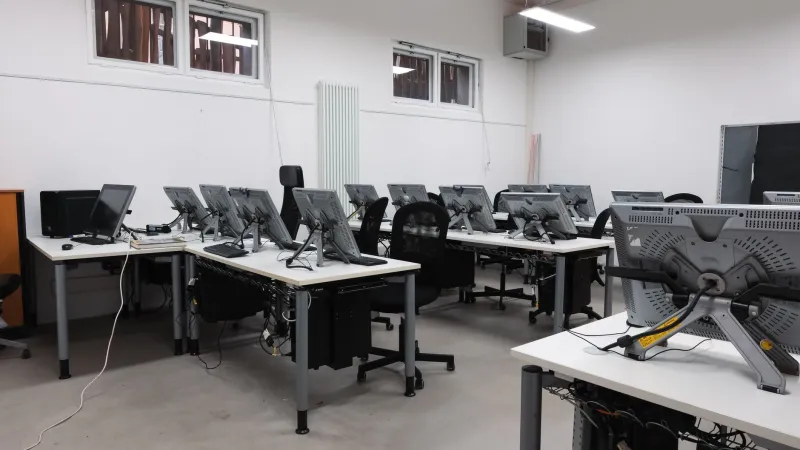
Every device in an office consumes power in one of three states: active, idle, and off (which, thanks to standby circuitry, is rarely off). The idle state is where the money leaks. A mid-range workstation drawing 180 watts under load may still pull 60 to 90 watts at the desktop with the screen locked. Multiply that across a 200-person firm and you're looking at 12 to 18 kilowatts burning continuously — roughly the load of a small restaurant kitchen, running twenty-four hours a day.
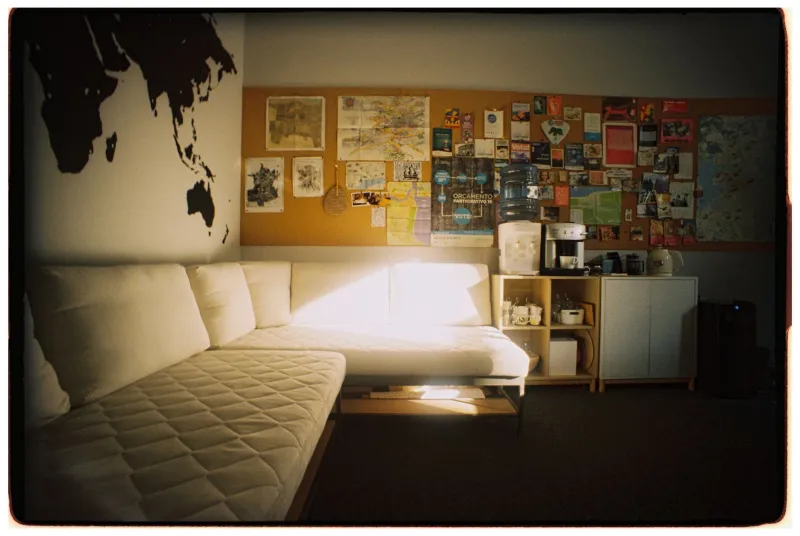
Appliances complicate the picture. A standard office coffee machine draws 900 to 1,500 watts while brewing but only 20 to 60 watts keeping the plate warm — yet it's often plugged into the same unexamined circuit as everything else. Older vending machines with incandescent signage can consume 350 watts around the clock, costing $350 or more per year each at national average commercial rates.
A Calculator You Can Run Tomorrow Morning
The arithmetic is simple enough for a facilities manager to complete before the first meeting of the day:
- Inventory. Count devices by category: workstations, monitors, printers, network gear, kitchen appliances, HVAC-adjacent equipment.
- Estimate idle draw. Use manufacturer spec sheets or a $30 plug-in power meter for a representative sample of each category.
- Apply duty cycle. Assume 168 hours per week for appliances and network gear; 40 to 50 hours for workstations that are actually shut down, 168 for those that aren't.
- Price it. Multiply total kilowatt-hours by your commercial utility rate — nationally hovering near $0.12–$0.13 per kWh, but closer to $0.28 in California and under $0.09 in North Dakota.
- Add the cooling tax. Every watt of heat in a conditioned space costs roughly 20 to 30 percent more to remove. Idle compute in a Chicago high-rise in July is more expensive than the meter suggests.
A 150-person office that runs this audit typically finds $8,000 to $20,000 in annualized waste — and, more usefully, a ranked list of where to intervene first.
Why the Miscounting Happens
The error isn't laziness; it's architecture. Electricity costs are usually paid by the landlord or consolidated into a facilities budget, while the decision to leave a machine on belongs to IT, and the decision to buy it belongs to procurement. No single owner sees the full picture.
This same fragmentation explains why enterprises misjudge idle server capacity. A GPU cluster that sits unassigned between overnight jobs looks free on nobody's spreadsheet, even as it draws thousands of dollars in power and cooling monthly. The lesson from the break room applies directly to the server room: idle is not free, and 'on' has a price that only becomes visible when someone is assigned to look.
From Audit to Action
The remediation playbook is unglamorous and effective: enforce shutdown policies through endpoint management, consolidate always-on appliances onto metered circuits, schedule network equipment power states where uptime contracts allow, and — increasingly — route the idle capacity you can't eliminate into productive work rather than letting it expire as heat. Companies that treat idle draw as a monetizable resource rather than a hygiene problem recover costs twice: once in avoided waste, and again in output.
The coffee machine will keep humming either way. The question is whether the rest of the building keeps paying for it blind.